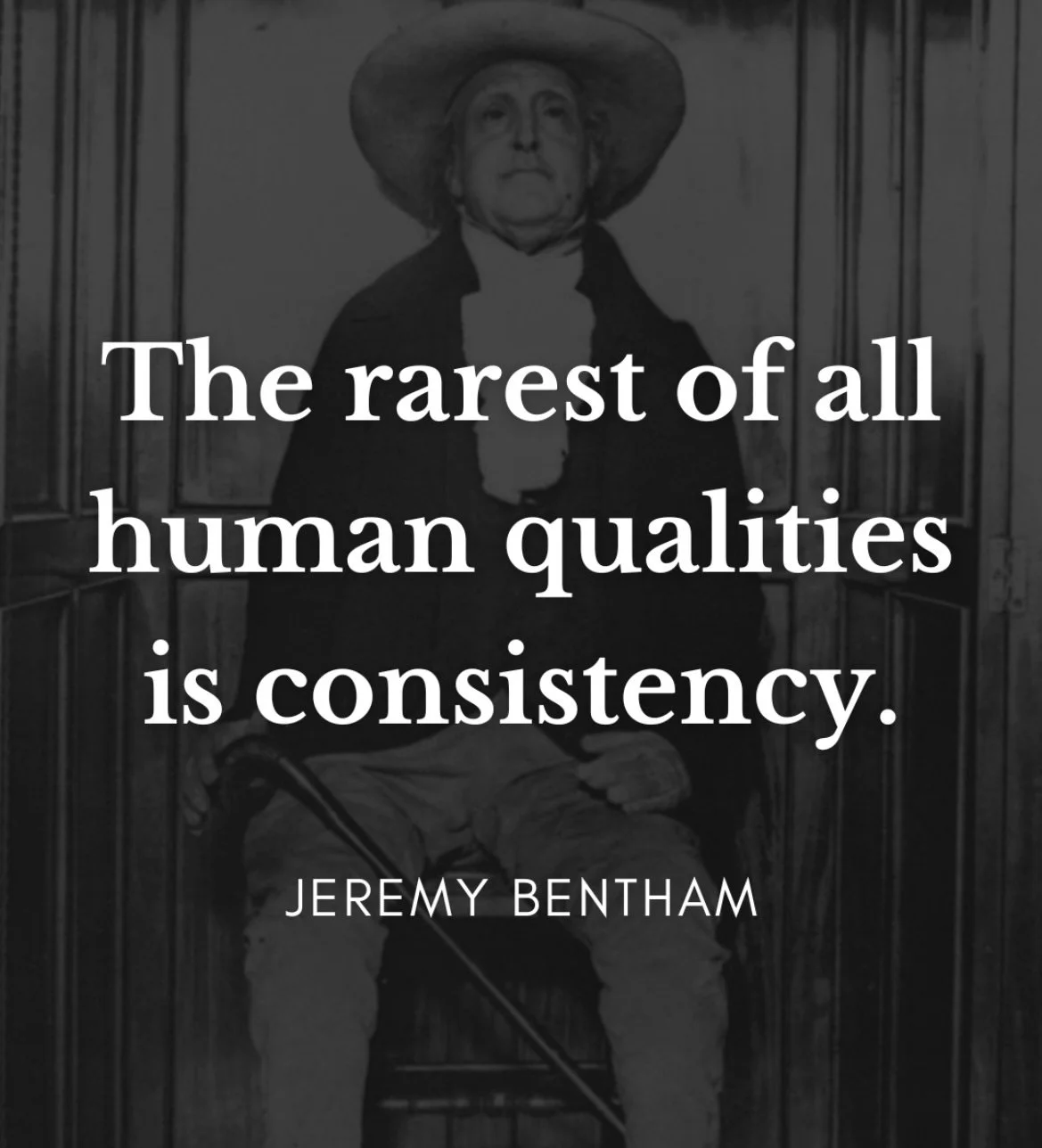
I recently finished a certification course, dealing, largely with the neurology of behavior change. To say it was fascinating is an understatement. Obviously this is a very deep and complex topic, and I’m not in any way pretending that this post is a comprehensive exploration of this topic. People have devoted their entire careers to studying how and why humans change. Or don’t. There were a few key ideas that stood out to me, and they are ideas I have been implementing for myself and will continue to be integrating into my coaching sessions with clients.
WHY CHANGE CAN BE HARD
One reason change can be so difficult is that our brain is fundamentally a prediction machine, our brain prefers what is predictable. Safety, neurologically speaking, is closely tied to predictability, not necessarily to what is best for us or what is the most efficient. That is why at times even when we’re trying to make positive changes, it can feel uncomfortable. So when we start something new and it is unfamiliar, it is less predictable and hence potentially less safe. Sometimes that is enough for our subconscious to throw up resistance or roadblocks. We can revert to old habits or not practice our new skills and think it’s just a lack of discipline or willpower. However, if we can recognize that it may be a protective mechanism from our brain, then maybe we can approach it differently.
HABIT FORMATION IS A SKILL
Another key take away for me is that developing habits like almost everything else in our life, is a “skill” that we can cultivate. Behavior research from people like James Clear, BJ Fogg, and Stephen Guise helps us understand that habits are built through intentional design. That means that we’ll need to do some experimenting with cues, routines, and small everyday practices that can be repeated consistently. Over time, repetition builds familiarity, and familiarity builds safety.
RETHINKING OUR EXPECTATIONS
One of the questions asked in the class was “what is your relationship to expectations?”
This was a big one for me personally, as I realized that whether I wanted to admit it or not, I often set very unrealistic expectations for myself. One of the challenges with habit formation is that many of us have expectations that are simply too rigid.
We decide that we will practice every day, perfectly, or completely change our routine all at once. But life inevitably interferes. Fatigue, stress, weather, health, or work… it becomes too easy to miss a day of practice and then we can end up feeling like a failure. The problem often isn’t that we lack motivation or willpower. It’s that we’ve set unrealistic expectations of ourselves. Overly rigid goals tend to create an all or nothing relationship with our practice.
ELASTIC HABITS AND SMALL WINS
One concept that I personally found especially helpful, comes from the book Elastic Habits, by Stephen Guise. He sets up levels of practice, small, medium, and elite goals for each of the new habits we are trying to integrate into our life. This approach makes being consistent far more sustainable. On a difficult day a small habit might simply mean two minutes of practicing some new skill. He was clear that our mini habit we set for ourselves needs to be able to survive our worst day, so it should be easy. The key? It still counts!! In fact, small wins can be incredibly valuable because they can reduce feelings of overwhelm and allow our nervous system to experience success. That helps build prediction which then builds safety and then makes it easier to create the change we want.
CHANGE TAKES TIME
When you’re looking to create change for yourself, if you’re anything like me, you may be a little impatient at times, lol.
As riders, we understand that skill takes time to develop. We don’t expect our horses to go from being unhandled to executing at a high level of performance in a short amount of time, and it’s no different for ourselves. We can layer in new abilities overtime and build our capacity step-by-step. Instead of being reliant on bursts of motivation or intensity, sustainable change comes from consistent repetition, even in small doses. The goal isn’t perfection. It’s creating new patterns that help the brain learn to predict and to trust. Once these new habits are predictable the nervous system no longer experiences it at a threat. That’s when real change can happen.
ONE FINAL THOUGHT
In the book “The Confident Mind” Dr. Nate Zinsser said this, “Practice produces changes, but those changes happen slowly… The building, the growing, the actual development we seek through practice happens while we are on the plateaus, not during the bursts of improvement. What we have come to value most in our present day world of immediate gratification is the breakthrough experience, that moment when all those small, imperceptible changes, reach a critical mass and explode into a palpable advance. But true development happens on the plateau.”
Supporting riders through that process of learning, helping them develop new patterns, habits, and confidence is the work I’m continually exploring in my coaching and movement sessions. If you’re interested in learning more I would love to connect with you.