Anytime we are learning a new skill we need lessons and training. Good instruction matters. Riding, good riding, is a skill, an art. To do it well we need lessons, coaching, guidance. Lessons give us structure and the kind of feedback we can’t always see or feel on our own.
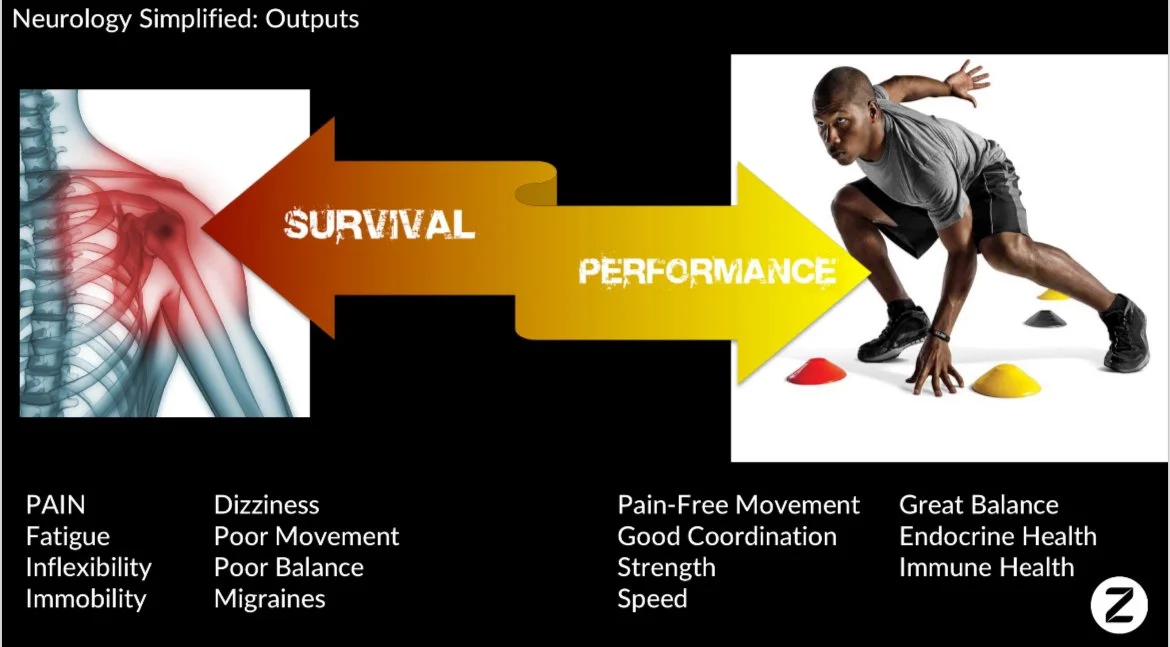
But… there’s a difference between knowing what to do, and being able to access it when your body feels stressed, tight, or afraid. Mastering a skill like riding requires a nervous system that can stay present, responsive, and organized under pressure. When safety drops - even subtly - the brains shifts from learning mode to protection mode. From performance to survival.
In those moments all the things “you know” can start to disappear.
* You stop breathing without realizing it
* You stiffen
* Your awareness and vision narrow
* You grip, brace, or freeze
Most of these patterns live below the conscious control, in the subconscious nervous system and reflexive parts of the brain that are designed to keep you safe. If the nervous system doesn’t feel safe it will prioritize protection over precision. And protection will always override performance.
It becomes easy to see why so many riders get stuck in frustration: They keep collecting more instruction and more “things to do”, but the real missing piece isn’t more conscious instruction, its more capacity!
Capacity to stay aware while moving (dual task training)
Capacity to breathe while concentrating (breath to movement matching)
Capacity to respond instead of react (executive function training)
Capacity to move quickly in response to unexpected and fast movements (vision and vestibular training)
This is where brain-based training and awareness work become so powerful, they don’t replace riding lessons, they help them stick. It’s about training the nervous system underneath the skill, so your body can actually access “what you know”……when it matters the most.
The good news is all of this can be trained, and it can improve. If you're interested in learning more about how to apply this type of training for yourself I’d love to work with you.
( Image from Z-Health )